
Category: Terrorism

Terrorism in the twenty-first century is no longer a peripheral security concern — it is a systemic, evolving threat that operates across digital, physical, and psychological domains simultaneously. From complex coordinated attacks on critical infrastructure to lone-wolf radicalization compressed into a matter of weeks, the operational landscape facing governments, security services, and private sector organisations has fundamentally changed.

CommandEleven’s terrorism analysis is grounded in the same intelligence tradecraft that informs government and institutional decision-makers — human source networks, signals analysis, pattern recognition, and historical precedent. Our analysts track active threat actors, map organisational structures, identify radicalization pipelines, and produce threat assessments calibrated to specific geographies, target types, and attack methodologies.

This category aggregates CommandEleven’s terrorism intelligence across all vectors — domestic and foreign, state-sponsored and non-state, ideological and criminal. It covers al-Qaeda, the Islamic State and its affiliates, Tehrik-i-Taliban Pakistan, Hezbollah, Hamas, and emerging threat actors that have yet to reach mainstream awareness. Readers include security professionals, government contractors, academic researchers, journalists, and informed citizens tracking threats to their communities and institutions.

Sector: Government
Syed Khalid Muhammad

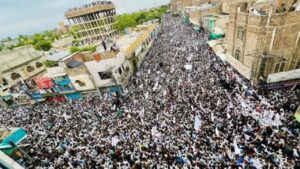
Bannu & The Operation

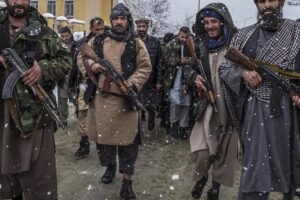
Things were difficult for the Pakistan Army to begin with, to say the least, but with the wave that is sweeping across Khyber Pakhtunkhwa now, things have gotten tremendously more difficult.

To be honest, for the people who were planning to cause unrest in Pakistan, they couldn’t have imagined things getting this bad, this quickly.

View the Report
Defense Security
Syed Khalid Muhammad

Operation Azm-e-Istehkam (“Resolve for Stability”)

For many days, CommandEleven has held back on providing an analysis of the proposed operation, its targets and the potential pitfalls it will face because we know how Pakistan operates, and how quickly public statements are backtracked from grand operations to minor grunts of force.

View the Report
Indian Subcontinent
Syed Khalid Muhammad

Historical Reference

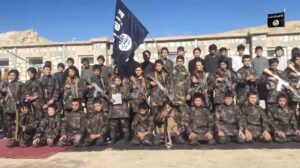
This post is a historical collection of what CommandEleven has said in the past about the activities of the Islamic State – Khorasan Province (ISKP) and the Tehreek-e-Taliban Pakistan (TTP).

View the Report
Geopolitics
Syed Khalid Muhammad

Understanding the Positions on Afghanistan

While many will disagree with us, we have spent months discussing the situation in Afghanistan, and these statements don’t track with the on-ground reality. We’ve also clearly said that the force that would replace the Taliban in Afghanistan will be more brutal than any terror group the world has seen thus far.

View the Report
Geopolitics
Syed Khalid Muhammad

Buffer Zones

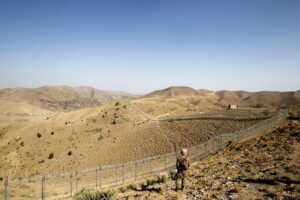
There are some Pakistani X handles advocating in favor of creating a buffer zone between Pakistan and Afghanistan. We fully believe those that are advocating for the creation of such an area are either misinformed, lack the proper knowledge or are conspiring to ceded Pakistani territory to terrorists.

View the Report
Geopolitics
Syed Khalid Muhammad

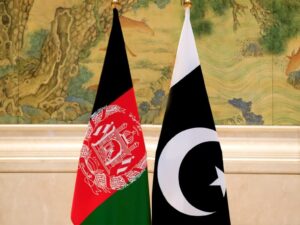
The Current Situation on the Pak-Afghan Border

The Insiders host, Syed Khalid Muhammad, takes a few moments to discuss what is happening on the Pak-Afghan border and the situation in Afghanistan. Khalid speaks in relative detail about the reasons for the Taliban is unable to remove or restrain the Tehreek-e-Taliban (TTP) cross-border attacks against Pakistan, sharing insight on what would happen if the TTP were expelled and what the potential next moves are for the Islamic State – Khorasan Province.

View the Report